Flat Clearance Gunnersbury — Recycling and Sustainability
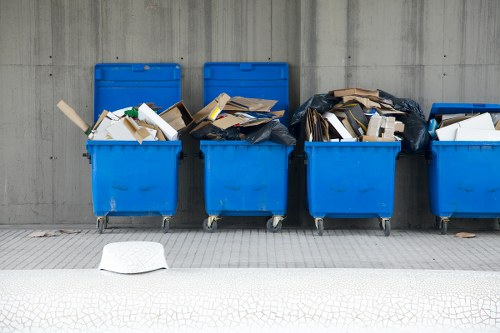
Welcome to our overview of sustainable operations for Flat Clearance Gunnersbury. We set out to make every clearance an opportunity to reduce landfill, boost reuse and support a greener local ecosystem. Our approach to an eco-friendly waste disposal area and a sustainable rubbish area is practical, measurable and tied to local borough strategies. Residents and managing agents who use our service can expect transparent reporting on what is recycled, reused and responsibly disposed of.Our core ambition is simple: maximise diversion from landfill while minimising carbon output during collections. As a team focused on Gunnersbury flat clearance, we adapt to the dual-borough context of Ealing and Hounslow, aligning with their household sorting guidance and separation schemes. That means proactively separating paper, card, glass, metal, plastics, textiles and bulky wood at source, and directing items to local reuse channels wherever possible.
Targets and Performance: Recycling Percentage Goals
We operate to a clear recycling percentage target: 65% diversion rate within two years of engagement across routine clearances, rising toward a 75% stretch target as partnerships mature. This target covers all materials diverted from landfill through recycling, repair and reuse. We publish aggregated recovery figures so clients understand how each flat clearance in Gunnersbury contributes to local resource efficiency.To meet these goals we use a mix of operational tactics: detailed sorting on-site, transfer of separated streams to nominated facilities, and prioritising reuse partnerships for furniture and electronics. We follow borough guidance on waste separation — for example, ensuring mixed recycling and food waste are kept separate where that policy applies — and we adjust collection methods based on the specific bin and sack rules used by Ealing and Hounslow.
Local Transfer Stations and Responsible Routing
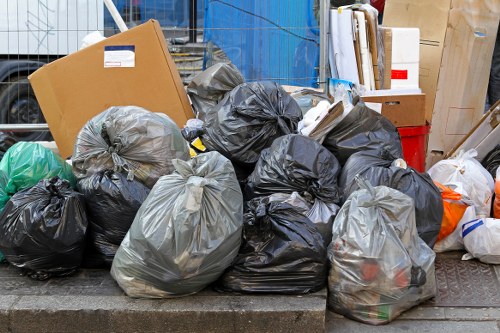
Our routes are designed to feed material into nearby transfer stations to minimise vehicle miles. Typical local transfer points we work with include Park Royal and Southall transfer facilities and community recycling centres in the west London area. Using these hubs allows us to consolidate loads, reduce journey numbers and expedite sorting into the correct waste streams once offloaded. This routing also supports a faster turnaround for reusable items offered to charities and social enterprises.We maintain an auditable chain of custody for everything collected. Clear manifests, photographic records and destination receipts are standard. Where materials are unsuitable for reuse or mainstream recycling, we prioritise specialist recycling outlets — for example for WEEE (electrical goods), mattresses, scrap metal and treated timber — rather than sending mixed loads to energy-from-waste without prior segregation.
Partnerships with charities are central to our sustainability model. We collaborate with local reuse organisations and national charities to ensure good-condition furniture, clothing and household items gain a second life. Typical pathways include donation to furniture reuse schemes, clothing banks and refurbishment charities that provide training and employment opportunities. These relationships turn what would be waste into social value and extend the lifecycle of items removed during a flat clearances Gunnersbury operation.
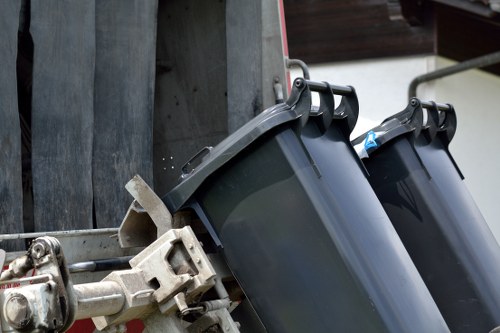 To make reuse straightforward we operate a triage process on-site: items are assessed quickly and tagged for reuse, recycling or specialist processing. Reusable furniture and household goods are offered to partner charities first; if items are refused we move them to suitable recycling streams. We also coordinate small item drops to community hubs that accept kitchenware, books and functional electronics.
 Transport emissions are a key focus. Our fleet includes low-carbon vans, with a growing number of fully electric vehicles and low-emission hybrids used on urban routes, supplemented by Euro 6-compliant vehicles when longer transfers are required. Route optimisation software reduces empty running and consolidates collections, helping to lower overall CO2 and NOx emissions for each job. We record fuel and mileage data to continuously improve fleet performance.
Beyond operational choices, we invest in staff training so crews can make fast, correct decisions about reuse and recycling on-site. Teams are trained to spot salvageable furniture, handle hazardous items safely and segregate materials to meet recycling facility acceptance criteria. This on-the-ground capability is what turns a standard clearance into an eco-friendly waste disposal solution.
We also run community awareness activities — not as a guide but as short informational initiatives — to help tenants and landlords understand how their sorting choices influence outcomes. Simple acts, like removing food residues from containers or keeping batteries and small electricals separated, increase the recycle rate and reduce contamination at transfer stations.
Strong local collaboration, measurable recycling percentage targets, responsible routing through nearby transfer stations, charity partnerships and a low-carbon van fleet together define our sustainable approach. If you need a Gunnersbury flat clearance that prioritises the environment and community benefit, our model turns clearances into an opportunity for resource recovery and local positive impact.