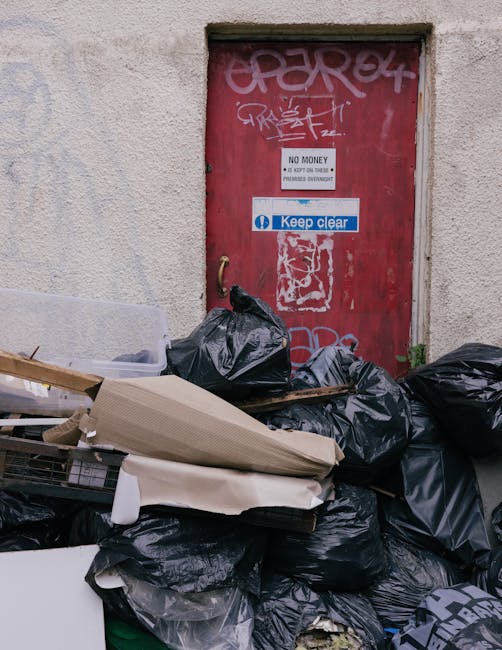
Emergency rubbish clearance for Gunnersbury flats with tight access

If you need emergency rubbish clearance for Gunnersbury flats with tight access, you are probably dealing with one of those frustrating moments where the mess is more than just messy. Maybe a hallway is blocked. Maybe builders have left debris behind. Maybe a tenant move-out has gone sideways and the bin store is already full. In flats, with narrow stairwells, awkward corners and limited parking, the problem can feel bigger than the pile itself. This guide explains how emergency clearance works, what makes tight-access flats different, and how to get the job done quickly without making a stressful day worse.
We will look at the practical side of it all: access planning, safe lifting, what can be removed, where people often go wrong, and how to choose the right approach when time is tight. If you are in W4 and staring at a pile of waste that needs shifting now, you are in the right place.
- Why it matters
- How it works
- Key benefits
- Who needs this service
- Step-by-step guidance
- Expert tips
- Common mistakes to avoid
- Tools, resources and recommendations
- Law, compliance and best practice
- Options and comparison
- Case study
- Practical checklist
- Conclusion
- Frequently asked questions
Why Emergency rubbish clearance for Gunnersbury flats with tight access Matters
Flat clearance is never just about volume. In Gunnersbury, many homes sit in converted buildings, mansion blocks or purpose-built flats where access can be a bit of a puzzle. The lift is small, the stairwell is narrow, the parking is limited, and the refuse area may be a fair walk from the front door. Add urgency into the mix and even a modest pile of rubbish can become a proper headache.
Emergency clearance matters because delays can quickly create knock-on problems. Waste in an entryway can become a fire route obstruction. Bags left in communal areas can attract complaints from neighbours. If the waste includes broken furniture, old white goods or sharp debris, there is also a real risk of injury. And let's be honest, once clutter spreads, it spreads. One bag becomes five, then the corner by the front door looks like a small recycling apocalypse.
This is especially important in tight-access flats because the clearance method has to fit the property. You cannot always rely on the same approach used for a house with a drive or a garden. A good emergency service thinks about carry distance, lift protection, stairwells, timing, neighbours and building rules before moving a single item.
Practical takeaway: in a flat with limited access, speed only helps if it is paired with planning. The quickest clearance is usually the one that avoids mistakes on the way out.
There is also a local reality here. In parts of Gunnersbury, traffic, parking and shared entrances can make even a short clearance job awkward if the crew arrives unprepared. That is why the best results usually come from a team that asks the right questions early: floor level, lift size, stair width, loading point, parking restrictions, and whether any items are too bulky for the route.
How Emergency rubbish clearance for Gunnersbury flats with tight access Works
Most emergency clearances follow a fairly simple pattern, but the detail matters. A good operator will usually start with a quick assessment, either from your description, photos, or a call that covers the essentials. They want to understand what needs removing, how much there is, and how difficult the access may be. That first conversation is where a lot of problems are either solved or created.
Once the job is booked, the crew turns up with the right vehicle, lifting gear and protective kit. In a tight-access flat, the aim is to remove waste cleanly and with as little disruption as possible. That may mean using smaller carries, planning a lift-friendly route, protecting walls and communal flooring, and breaking down bulky items on site if appropriate and safe.
For many emergency clearances, the process looks something like this:
- Confirm the waste type, access and urgency.
- Agree the collection time and likely crew size.
- Check the route from flat to vehicle.
- Remove items carefully, separating reusable or recyclable material where practical.
- Load and clear the area, then sweep up any loose debris.
The best operators will also flag anything that needs special handling. For example, fridges, mattresses, paint, chemicals, electricals or mixed construction waste may need a different disposal route. That is not fussiness. It is the part that keeps the job safe and lawful.
If you are comparing services, it can help to look beyond speed alone. Pages like flat clearance, waste removal and book online give a sense of the wider service options available, while pricing and quotes is useful when you want to understand how the numbers are usually handled.
Small but important point: tight-access jobs tend to go better when the customer can share a few photos in advance. That saves time, avoids guesswork and reduces the chance of a van turning up that is too large for the site. Sounds obvious, but it is one of the most common places where delays creep in.
Key Benefits and Practical Advantages
The obvious benefit is speed. Emergency rubbish clearance gets the mess out of the way so you can breathe again. But there are a few other advantages that matter just as much in flats with awkward access.
- Less disruption: careful planning means less noise, fewer trips, and less disturbance in communal areas.
- Safer movement: professional handling lowers the risk of dropped items, scratched walls, or blocked stairs.
- Better neighbour relations: nobody wants to be the person with rubbish lingering by the landing for three days.
- Cleaner finish: emergency services often include a quick tidy-up so the space is usable again straight away.
- Flexible handling of mixed waste: useful when the pile includes furniture, bagged rubbish, electricals and awkward bits and pieces.
There is also a less obvious benefit: better decision-making. When a team understands tight access, they can advise what should be dismantled, what can be carried whole, and what may need a different plan. That can stop you overpaying for unnecessary labour or trying to force a sofa down a staircase that clearly has other ideas.
For people dealing with a quick flat clear-out, the right service can reduce stress in a way that feels almost physical. One minute the hallway is a dead end. An hour later the place feels manageable again. Truth be told, that change can be a relief you notice in your shoulders before you notice it anywhere else.
If you are trying to remove bulky household items alongside general waste, relevant service pages such as furniture clearance, mattress and sofa disposal and fridge and appliance removal may also help you understand what can be taken and how it is usually handled.
Who This Is For and When It Makes Sense
This kind of service is not only for extreme cases. It is useful whenever waste has become urgent and access is awkward enough to make self-clearance impractical.
Common situations include:
- End-of-tenancy rubbish left behind in a flat
- Post-renovation debris in a building with no easy loading bay
- Overflowing bagged waste in a communal corridor or bin store
- Bulky items that will not fit comfortably in a lift
- Clutter from a decluttering project that has become too much to handle alone
- Urgent clearance before inspection, sale, handover, or repairs
It also makes sense for landlords, letting agents, property managers and local businesses with flat-based premises or residential upper floors. If you are responsible for a property, the speed of response matters, but so does the impression left behind. A clear, tidy flat feels like a fresh start. A half-cleared one just feels like a headache in a different room.
To be fair, some people try to solve these jobs with a few trips to the local tip, but that is not always realistic. If you do not have a suitable vehicle, if the items are too heavy, or if the building's access is a pain, the time cost can dwarf the money saved. And that is before you factor in parking stress. The parking stress alone can be enough to ruin your afternoon, honestly.
For businesses or office-style spaces in mixed-use buildings, it may also be worth looking at office clearance and business waste removal if the waste is commercial rather than domestic.
Step-by-Step Guidance
If you want the smoothest possible outcome, the process starts before the van arrives. Here is a practical way to handle it.
- Identify the waste clearly. Separate general rubbish, bulky furniture, electrical items and anything hazardous. Mixed waste can be cleared, but the team needs to know what they are dealing with.
- Measure the access points. Note stair width, lift dimensions, ceiling height, and whether any sharp bends or tight corners are involved. A quick phone video can help.
- Check building rules. Some blocks have quiet hours, loading restrictions, or requirements for protection in communal areas. A little prep saves awkward conversations later.
- Clear the route. Move small obstacles, open doors, and make sure the path to the exit is as direct as possible.
- Choose the right collection window. Early morning or a quieter period can help in busy buildings. If parking is difficult, timing can make all the difference.
- Ask about disposal handling. Reusable, recyclable and special-category items should be treated properly, not just bundled together and hoped for the best.
- Confirm the finish. Will the crew sweep the area? Will they dismantle items? Will they remove from inside the flat or only from the pavement? Ask before the job starts, not after.
One useful habit is to keep the waste in one place rather than spread through the flat. It sounds obvious, but when people are in a rush they tend to create little satellite piles in the kitchen, hallway and bedroom. Then nobody is quite sure what belongs to the clearance and what does not. A single staging area saves time and reduces mistakes.
If you are not sure what can go where, the page on what can go in a skip can help with the broad categories, even when you are using a rubbish removal service rather than a skip itself.
Expert Tips for Better Results
Here is the sort of advice that tends to come from experience rather than theory. Nothing fancy. Just the things that make a job smoother.
- Send photos from inside the flat and from the access route. One picture of the waste is useful; two or three showing hallways, stairs and the entrance are better.
- Be honest about the volume. Understating the amount can lead to delays or surprise costs. Nobody enjoys that moment.
- Flag fragile areas. If the staircase has scuffed paint, glass panels or low ceilings, say so upfront.
- Separate obvious hazards. Broken glass, sharp metal, leaking liquids or suspect electrical items should not be hidden in a general pile.
- Ask for a collection plan. A good crew should be able to tell you how they will move the waste without blocking the building.
Another tip: if the flat is on a high floor with a small lift, ask whether heavier items should be dismantled first. In some cases that is the only sensible answer. A wardrobe can become three manageable parts. A sofa may come out safely if split down. It is not glamorous work, but it saves trouble.
And yes, there is a certain satisfaction in seeing a chaotic space cleared properly. You know the feeling when a hallway finally has floor space again and the light looks brighter? That. Small victory, but a real one.
If sustainability matters to you, the page on recycling and sustainability gives a better sense of how mixed waste can be handled responsibly. For general waste operations and broader service details, home clearance and house clearance may also be relevant if the job extends beyond a single room or one pile of rubbish.
Common Mistakes to Avoid
Most clearance problems in flats with tight access come from a handful of avoidable mistakes. The tricky part is that they often look small at the start.
- Booking before checking access. If the van cannot park close enough, the job gets slower and more expensive.
- Leaving everything until the last minute. Emergency help is for urgent situations, but a bit of early sorting still helps.
- Mixing normal rubbish with hazardous waste. This can create safety and compliance issues.
- Forgetting about communal rules. The landlord, managing agent or building committee may have expectations about access or noise.
- Assuming all bulky items can be carried in one piece. Not always. Sometimes the smarter move is to dismantle them.
One less obvious mistake is underestimating the impact on neighbours. In a flat block, a ten-minute delay can feel much longer when people are trying to get in and out through the same narrow entrance. It helps to keep the route clear and the handover quick. A bit of courtesy goes a long way.
Another common issue is poor item identification. If a pile contains a broken printer, old paint tins, a mattress and general bagged waste, tell the crew. That mix changes the handling plan. Without that detail, the clearance may be slower than it needs to be.
Tools, Resources and Recommendations
You do not need much to prepare for an emergency clearance, but a few simple tools can make a surprising difference.
| Tool or resource | Why it helps | Best use in tight-access flats |
|---|---|---|
| Phone camera | Shows waste type and access conditions clearly | Send pictures of stairs, lift, hallway and the waste pile |
| Rubbish bags and boxes | Keeps loose items together | Sort small items before collection so the route stays clear |
| Basic tape measure | Helps check item size against access points | Useful for wardrobes, sofas, mattresses and appliances |
| Marker labels | Identifies what stays and what goes | Handy in flats where several rooms are being cleared |
| Access notes | Captures parking, door codes and building rules | Saves time on the day and reduces confusion |
If the clearance includes awkward domestic items, you may find the specialist pages on garage clearance, loft clearance and furniture disposal useful for understanding how different item types are usually handled.
For people dealing with cleaning up after a renovation or repair job, builders waste clearance is worth checking because construction debris has its own handling needs, and it is rarely as simple as throwing everything into one bag. If you are dealing with a single bulky object or odd item, the page on what can go in a skip can still be a helpful reference point, even if a skip is not the plan.
Law, Compliance, Standards, or Best Practice
Emergency rubbish clearance still needs to be done properly. That means understanding the basics of waste handling, duty of care, and site safety. The exact legal requirements can vary depending on the waste type and the situation, so it is always wise to keep to recognised best practice rather than making assumptions.
In practical terms, that usually means:
- Do not mix hazardous waste with general household rubbish unless it is being handled appropriately.
- Keep access routes safe and unobstructed while items are being moved.
- Use suitable lifting techniques and equipment for bulky or heavy objects.
- Ensure waste is transported and disposed of through lawful and traceable routes.
- Respect communal areas, fire exits and building rules.
For flat blocks, insurance and safety expectations matter too. A crew that protects walls, floors and door frames is not being overly cautious; they are avoiding damage that would otherwise become a bigger issue for everyone involved. You can also review pages such as insurance and safety and health and safety policy if you want a clearer picture of how a responsible operator approaches risk.
If you are disposing of items that may count as hazardous, the dedicated hazardous waste disposal information is especially relevant. That includes things like chemicals, contaminated materials or certain electrical and appliance-related items. Better to ask than guess. In waste work, guessing is a very expensive hobby.
For businesses or more sensitive removals, a service such as confidential shredding may also be relevant if paperwork or data-bearing materials are part of the clearance.
Options, Methods, or Comparison Table
There is more than one way to handle rubbish from a flat, and the best option depends on access, speed, volume and waste type. In a tight-access emergency, the right method usually comes down to what can actually be done safely in the building.
| Option | Best for | Pros | Limitations |
|---|---|---|---|
| Emergency rubbish clearance | Urgent mixed waste, bulky items, tight access | Fast, convenient, handled end-to-end | Needs clear access details and may cost more than planned pickup |
| Skip hire | Larger projects with suitable outdoor space | Good for ongoing work | Often unsuitable for flats with no easy placement or permit issues |
| Self-haul | Small loads and easy parking | Can be cheaper if you have time and transport | Hard work, time-consuming, awkward in multi-storey buildings |
| Scheduled clearance | Non-urgent decluttering or larger planned jobs | Allows sorting and better preparation | Not ideal when access or hygiene issues need immediate attention |
For many Gunnersbury flats, the emergency removal option is the most realistic because it fits the property instead of fighting it. That matters. There is no point choosing the cheapest method on paper if it turns into three missed lifts, a frustrated neighbour and a sofa wedged halfway out the door.
If budget is a concern, the blog on cheap same-day rubbish collection in W4 Gunnersbury and avoiding hidden fees in rubbish removal quotes can help you think more clearly about value rather than just headline price.
Case Study or Real-World Example
A typical emergency job in a Gunnersbury flat might look something like this. A resident has just finished a last-minute clear-out before a tenancy handover. The flat is on the third floor, the lift is compact, and the hallway outside the apartment is already crowded with bags, a dismantled bed frame and an old table. The building has a narrow entrance and no easy place for a big vehicle to wait.
The first thing that helps is a clear photo set. The crew can see the size of the waste, the route to the exit and the parts that may need dismantling. On arrival, they protect the route where needed, keep the load organised by item type, and remove the waste in stages so the corridor is never blocked for long. The bed frame comes apart cleanly. The table legs are removed. Bags are stacked smartly rather than dragged one by one through the whole building.
The job is finished with a quick sweep, and the flat is left in a state that is easy to hand over. Not showroom-perfect, because that is not the point, but clean, clear and ready for the next step. That is the difference a well-run emergency clearance makes. It reduces friction at exactly the moment you do not have time for more of it.
Sometimes the best real-world result is not dramatic. It is simply calm. The space works again. The entrance is clear. Nobody is stepping around a pile of junk with their coffee in hand. Quietly brilliant, really.
Practical Checklist
Use this checklist before the team arrives. It keeps the job tidy and the access as smooth as possible.
- Confirm the flat number, floor level and building access instructions
- Take photos of the waste and the route out
- Measure bulky items if they need to pass through narrow spaces
- Separate hazardous or unusual items and mention them clearly
- Move small obstacles from the hallway and entrance area
- Check for parking restrictions or loading limits nearby
- Tell neighbours or the managing agent if needed
- Ask whether the crew will dismantle items on site
- Confirm whether a sweep-up is included at the end
- Keep keys, door codes or intercom instructions ready
If you are dealing with a broader declutter rather than a single pile, the page on clutter removal and hoarder clean-up can help frame a bigger project into manageable steps. For household-sized jobs, the related home clearance and furniture clearance pages are also useful references.
Quick summary: the best emergency clearance in a tight-access flat is the one that is planned like a logistics job and delivered like a tidy handover.
Conclusion
Emergency rubbish clearance for Gunnersbury flats with tight access is really about solving a space problem without creating a bigger one. That means acting quickly, but also thinking carefully about stairs, lifts, parking, neighbours, item type and building rules. Once those pieces are handled properly, the whole job feels much less stressful.
The good news is that most awkward flat clearances are manageable when the route is clear and the waste has been described honestly. You do not need perfection. You need a sensible plan, a responsive team and a bit of common sense. That is usually enough to turn a messy situation into a manageable one.
Get a free quote today and see how much you can save.
And if you are still standing in the middle of a cluttered hallway wondering where to begin, begin with one small step. Take a photo, clear the path, and ask for help. That first move is often the hardest part.
Frequently Asked Questions
What counts as emergency rubbish clearance in a flat?
It usually means waste that needs removing quickly because it is causing a safety issue, blocking space, creating pressure before a deadline, or simply too urgent to leave for a scheduled collection. In flats, that often includes bulky items, bagged rubbish, post-renovation debris, or a mix of waste in a confined area.
Can rubbish be removed from a flat with very narrow stairs?
Often, yes. The key is preparation. A team may need to dismantle bulky items, use smaller carries, or adjust the route. If the access is extremely tight, sharing photos beforehand is the best way to avoid surprises.
Do I need to sort the waste before collection?
Not perfectly, but some sorting helps a lot. If you can separate general rubbish from hazardous items, appliances, and bulky furniture, the clearance is usually faster and smoother. The more mixed the load, the more carefully it needs to be handled.
What if there is no parking near my Gunnersbury flat?
That is very common in flat areas. A good clearance plan will take parking and loading distance into account. It is better to mention it early so the crew can allow enough time and choose the right vehicle size.
How quickly can an emergency clearance be arranged?
It depends on the day, the volume of waste and the access conditions. Urgent same-day help is often possible in straightforward cases, but complex tight-access jobs may need a little more coordination. A quick call or online booking request helps set expectations.
Can you remove furniture from a flat without damaging the walls?
Yes, if the crew plans the route properly and takes care with bulky items. Protection for corners, door frames and stairwells makes a real difference. Dismantling large furniture can also reduce the risk of damage.
Are fridges, mattresses and sofas included in emergency clearance?
They can be, but these items may need special handling or separate disposal processes depending on their condition and type. It is best to mention them in advance so the right approach is used.
What should I do with hazardous waste in the flat?
Do not mix it into the general pile without telling the operator. Hazardous items need specific handling. Examples can include chemicals, paint, contaminated materials or certain electricals. If in doubt, keep it separate and ask first.
Is emergency rubbish clearance more expensive than planned clearance?
Usually, yes, because the service is faster and more reactive. That said, the final cost depends on volume, waste type, access difficulty and timing. Clear photos and accurate details can help avoid unnecessary extras.
Will the crew clean up afterwards?
Many services include a basic sweep-up once the waste has been removed, but the level of cleaning can vary. It is sensible to ask what is included before the job starts so you know exactly what to expect.
Can I book emergency clearance online?
Yes, if the service offers that option. An online booking form can be useful when you want to send photos and details quickly. For more complex jobs, a call may still be the fastest way to explain the access issues clearly.
What if the waste comes from a renovation or repair job?
Then builders waste may be the better fit. Materials like plaster, broken fixtures, timber offcuts and mixed construction debris often need a different handling approach from normal household rubbish.
What is the best way to prepare a tight-access flat for clearance?
Keep the route clear, send photos, label anything that stays, and mention restrictions such as stairs, lifts, parking or entry codes. A little preparation saves a lot of back-and-forth on the day.
Can one service handle mixed household waste and old furniture together?
Yes, usually. Mixed jobs are very common in flats. The important part is telling the team exactly what is included so the load can be handled safely and sorted appropriately where possible.